International Quilt Study Center & Museum
  • About Us
  • Visit
  • Exhibitions
  • Collections
  • Education & Research
  • Membership & Support
  • IQSC
  • Exhibitions
  • Online Exhibitions
  • Indigo Gives America the Blues
  • Indigo Gives America the Blues, Timeline

Indigo Gives America the Blues, Timeline

Navigation

  • About Us
  • Visit
  • Exhibitions
    • Current Exhibitions
    • Online Exhibitions
    • Upcoming Exhibitions
    • Traveling Exhibitions
    • Past Exhibitions
  • Collections
  • Education & Research
  • Membership & Support
  • Connections & Resources
  • Site Map

Introduction

Indigo Dyeing & Printing Timeline

Indigo Quilts through the Years

NY Blue & White Quilts

Modern Indigo


Indigo Dyeing & Printing Timeline

Using indigo for dyeing is a complicated process. Because it does not naturally dissolve in water or adhere to textile fibers, dyers had to develop complex methods for permanently fixing the indigo to fabric.
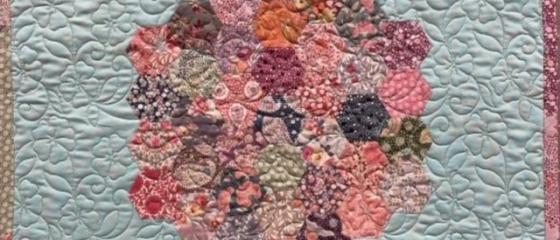
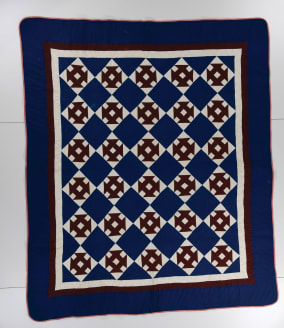
Click images below to learn about these various dyeing and printing methods.

Pencil Blue: Mid 1700s
American Indigo Resist: Mid- to Late-1700s
China Blue: Mid- to Late-1700s
Resist Printing: 1800s
Resist Printing quilt: LeMoyne Star
Discharge Printing: Mid- to Late-1800s
Discharge Printing quilt: Hourglass Strippie
Illuminated Discharge: Mid- to Late-1800s
Illuminated Discharge quilt: One Patch
1 2NEXT

Introduction « BACK

NEXT » Indigo Quilts through the Years

University of Nebraska-Lincoln © 2013 International Quilt Study Center & Museum | 1523 N. 33rd St. | University of Nebraska-Lincoln | Lincoln, NE 68583 | Phone: 402-472-6549
  • College of Education & Human Sciences
  • The Department of Textiles, Merchandising and Fashion Design
  • W3C
  • Creative Commons icons from

    Komodo Media, Rogie King / CC BY-SA 3.0